API quota exceeded. You can make 500 requests per day.
When people talk about fences, they usually start with appearance. That makes sense, a fence defines the edges of a property and frames everyday life, from kids playing in the yard to a dog’s daily patrol route. But the best installers I know don’t lead with style. They lead with reality: soil, wind exposure, drainage, local codes, how your property sits relative to the street, and what you actually want the fence to do five years from now.
I’ve watched homeowners fall in love with a certain look only to discover the ground conditions made that choice harder and more expensive than they were expecting. I’ve also seen the opposite, a practical decision that looked “fine” at the showroom, then turned into a perfect fit after installation because it handled weather and maintenance the way it was supposed to.
If you’re deciding on a fence, this guide is meant to help you choose with confidence, using the kind of judgment that best fencing contractors build from repeated installs. Not every decision is glamorous, but the right combination of material, design, and installation details can make the whole project feel unusually smooth.
Start with what you need the fence to accomplish
A fence can do many things, but it rarely does all of them equally well. Some materials are strong in wind, some are better at privacy, and some are easier to repair without replacing entire sections. Before you compare prices or pick a color, get clear on your priorities in plain language.
Privacy is one of the most common goals, but privacy comes in layers. Do you want full visual screening from neighbors? Or do you just want the fence to break sightlines at eye level? If you’re dealing with a side yard where traffic and footpaths are close, you may need tighter spacing and a taller height than you assumed.
Security is another goal that’s often misunderstood. A “taller” fence is not automatically more secure if it has climb-friendly openings or if the bottom gap is large enough for something small to slip through. Gate design matters too, especially for latches, hinges, and the way the gate aligns with the posts after the years start doing their work.
Then there’s weather. In places with heavy rain and freeze-thaw cycles, the fence posts live or award winning fence company die by what’s happening underground. Soil type, frost depth, and drainage can turn an ordinary installation into a long-term success or a repeating headache.
Finally, there’s how much maintenance you’re willing to do. A fence that looks low-maintenance in a brochure may still need annual inspection of fasteners, coatings, or bottom gaps. Your future self will appreciate a choice that matches your tolerance for upkeep.
Material choices, with the trade-offs that matter
Most homeowners narrow down to wood, vinyl, aluminum, steel, and composite blends. Each has a “typical” sales pitch, but installers care about the details behind the scenes: how posts are set, what the hardware looks like over time, how the material handles impacts, and how it reacts in your climate.
Wood: natural look, but plan for movement
Wood remains popular because it can look custom without being overly flashy. It also works well with landscaping, and it can be easy to adjust if you change your mind later about gate placement.
The trade-off is movement. Wood expands and contracts with humidity, and it can cup or warp if the boards are not selected well or if installation details are off. Pressure-treated lumber is a common choice, but you still want to understand what grade and treatment method you’re getting, and how it’s been stored before installation.
If you’re considering a privacy fence, wood pickets or boards can deliver excellent screening. But wood is only “low maintenance” if you’re willing to stay on top of it. That usually means periodic cleaning, applying stain or sealant on a schedule that fits your local weather, and watching for issues around hardware and post tops.
One real-world example I’ve seen: a homeowner chose a beautiful cedar-style fence, then skipped staining for a couple of seasons because it “looked fine.” The fence didn’t collapse, but the color faded unevenly and fasteners loosened slightly due to normal expansion and contraction. It wasn’t catastrophic, but it meant more work later. If you know you want a long maintenance calendar, plan it upfront and choose the material accordingly.
Vinyl: consistent appearance, but mind heat and impact
Vinyl fencing tends to appeal for its uniform look and reduced need for painting or staining. In a lot of climates, vinyl can stay attractive for years with little more than rinsing.
However, vinyl is not invincible. It can become brittle in extreme cold depending on formulation, and it can warp under intense heat exposure if the installation spacing and post support are wrong. Wind performance is also tied to how panels or sections are framed, not just the material label.
Impact is another factor. If you have lawn equipment that occasionally clips the fence, or if pets like to test boundaries, vinyl can crack at stress points. It often repairs differently than wood; you might replace sections rather than boards.
The best fencing installers I’ve worked with treat vinyl as a system, paying attention to posts, reinforcement, and how the top rails and panels are aligned so the fence stays straight under real wind loads, not ideal conditions.
Aluminum: durable, lighter, and great for visibility and style
Aluminum is a solid option when you want a fence that looks neat and doesn’t require staining. It’s typically resistant to rust, and it tends to handle weather well.
Where aluminum shines is in open styles, like ornamental pickets or designs that allow airflow. That can be helpful if you’re near windy areas where a solid panel fence could catch a lot of force. Open designs can also be a good fit if you want visibility for security without blocking drive-by sightlines completely.
But if your primary goal is privacy, aluminum’s openness means you’ll need either taller sections, denser styles, or additional landscaping to create screening. Some homeowners add privacy slats, but that becomes its own decision, with additional cost and maintenance considerations.
Steel and wrought iron: strength and presence, but corrosion planning matters
Steel fences, including chain-link frameworks with upgrades, and ornamental iron styles, can provide excellent strength. Wrought iron and steel are great if you want a classic look or if your property needs more serious perimeter definition.
The catch is corrosion management. Many steel fences are coated or painted, and if the coating is damaged, rust can spread from small chips and scratches. The installation also matters, because cut ends, weld points, and post caps are all places where protective finishes need attention.
If you live in a coastal area with salt air or a region where road treatments include chemicals, you’ll want the coating and hardware choices to match those realities. The “best fencing company” for your job won’t treat corrosion as an afterthought, they’ll discuss it early.
Composite and treated wood blends: aiming for less maintenance
Composite fences, or composite-like boards over treated cores, are designed to keep the look of wood with less routine care. The best examples hold up well to moisture, and they often resist warping more than standard wood boards.
But composites can still be affected by heat and expansion, and they can be more expensive upfront. Installation details matter, especially regarding how boards are fastened and how gaps are managed so the system can move without stress.
If you’re comparing bids, pay attention to fastening methods and how the contractor handles expansion allowances. That can be the difference between a fence that stays aligned and one that develops problems prematurely.
Design and layout: how installers prevent headaches before they start digging
Once you pick a material, the next choices are about layout. Posts are the backbone of a fence. Everything else is built around their placement and the way the fence is supported and aligned.
If you want the fence to follow the property line cleanly, you still have to plan around obstacles and grade changes. Trees, drainage swales, existing walls, and uneven slopes can all affect where a fence can practically sit.
One of the most common “why is this crooked?” complaints I hear after install has nothing to do with workmanship. It’s about grade. When ground slopes, contractors have to decide whether to step the fence, keep the top rail level, or adjust panel spacing. Each option changes the visual effect and the bottom gap. The right solution depends on your priorities, like privacy, mowing clearance, and how visible you want the fence base to be.
Gates are another layout issue. If you have a driveway gate, or even a side gate, the approach has to include clearances. A gate that drags slightly might not bother anyone at first, then becomes annoying when settling occurs or when the ground freezes and heaves.
Also, think about access needs you may not remember right now: will you need room for a snowblower, a wheelbarrow, or landscaping maintenance? Installers plan for the working width, not only the fence line.
Height and spacing: privacy, wind, and the “it looks different than the sample” problem
Height and picket spacing are where the marketing photos can mislead. Samples are often installed on flat surfaces and under controlled conditions. Your yard has slope, wind exposure, and the final fence height may interact with existing landscaping.
For privacy, look closely at spacing. A fence with wide gaps can feel private in a photo because the perspective is tight. In your yard, those gaps become visible, especially if the sun angle catches them. If privacy is important, you’ll want to ask how spacing is measured and how consistent it will be across the entire run, including around corners and gate openings.
For wind, open designs often perform better than solid panels in high-wind regions. But even within “solid” fences, different configurations behave differently. Some installers prefer certain framing approaches because they reduce panel flutter. It’s not the kind of detail you see on the invoice unless someone explains it.
Then there’s the matter of the visible height from street level. If the yard slopes down from the house toward the property line, “6 feet tall” might look shorter when viewed from the sidewalk. The reverse also happens. Best fencing installers talk about lines of sight, they’ll ask where you want the fence to feel protective and where you want to maintain a view.
Codes, permits, and property lines: the unglamorous step that saves money
Most people want to avoid bureaucracy until they can’t. I’m not talking about paperwork for paperwork’s sake, I mean the reality that fence height restrictions, setbacks, and permitted materials vary widely.
Also, property lines matter. It’s easy to assume the fence line you inherited is accurate, but when survey stakes are off by even a little, a new fence can end up in the wrong place. That can trigger disputes or forced modifications.
If you don’t already have a survey, ask how the contractor confirms the boundary. Some installers will mark out the proposed fence line based on existing markers, others may recommend a survey if the site conditions are uncertain. A reputable best fencing contractors typically won’t gamble with boundaries, because they know the cost of getting it wrong is far higher than the cost of verifying first.
And then there are local HOA rules or municipal design guidelines. These can include required materials, color limits, or rules about panel style. Even if you’re not in an HOA, some towns limit fence height and specify whether taller sections are allowed only in certain sections of the property.
Post setting, footings, and the foundation of a fence that lasts
If there’s one area where homeowners should pay extra attention, it’s how posts are set. Everything else is visible, posts are buried.
A proper fence relies on stable posts that can handle wind loads, ground movement, and long-term moisture. The method varies by soil type and local practice. Some sites can support certain post depth plans, while others need deeper holes or additional reinforcement. In freeze-thaw climates, depth becomes a major factor.
In a few installs I’ve observed, the fastest way to tell a quality crew from a casual one is how carefully they prepare post holes. They don’t just dig and drop. They check alignment, ensure posts are set plumb, and stabilize properly before the material cures. They also manage drainage at the bottom, because water pooling around posts is a common failure point.
You might hear terms like concrete or specific mixing practices. The exact recipe isn’t universal, but the principle is consistent: posts must be secured in a way that resists shifting. A fence can look great on day one and fail early if posts were loosely set or if the installation ignored how water moves across the site.
Hardware, gates, and the “small stuff” that becomes big
Gates get used. They get slammed accidentally. They get opened with one hand while carrying groceries. In winter they drag if snow buildup changes clearances. A fence built with great-looking panels but weak gate hardware will disappoint you.
Ask what hinges, latches, and brackets are being used. Not for brand hype, but for suitability. For example, a latch designed for a lighter gate might work initially and then bend or loosen after repeated use. And if a gate is out of square even slightly, the latch alignment will get worse over time as the structure experiences minor shifts.
A detail that matters more than many homeowners realize is how gate posts are reinforced. Gate assemblies need extra support because the forces aren’t symmetrical like a straight fence run. The best fencing company will reinforce and brace the gate posts accordingly, not just match them to standard fence posts.
Also ask about gate stops and buffer hardware. Simple adjustments can prevent chronic rubbing and reduce wear, which improves the fence’s lifespan and reduces the frequency of repairs.
Color, finishes, and how to avoid the “why does it look different?” moment
Color choices sound straightforward until the sun hits them. Many materials take on different tones under varying light, and some finishes cure and darken over time.
For vinyl, most colors are stable, but the exact shade can look lighter or darker depending on whether it’s matte or gloss and the surrounding landscaping. For wood and composite, the finish process changes the final look dramatically. If you want a specific appearance, ask what finish schedule the contractor expects and what the fence will look like after curing.
For steel or iron, powder coating or paint finishes vary in texture and sheen. A fence that looks slightly different from the sample is often due to how the finish is applied and cured.
If you have a preference, bring a sample photo or a physical sample. The best installers treat aesthetics as part of engineering. They’ll match materials and suggest ways to keep the finish consistent across the entire run, not only in the first section you see.
Getting quotes that are actually comparable
Fence pricing is tricky. Two bids might list the same material, but differ in post spacing, rail thickness, gate construction, or how corners are framed. If you only compare total price, you can accidentally choose the bid that looks cheap because it skips hidden costs.
When people talk to best fencing contractors, they usually focus on the fence length and material selection. Installers focus on “what is included.” The difference can be concrete and drainage work, the fence design at corners, the number and placement of gates, and the type of posts and hardware.
Here’s a practical way to compare bids without turning the process adversarial. Ask each contractor to explain, in plain terms, what they’re doing from the first day to the last. You’re looking for clarity, not rehearsed marketing language. If they can’t describe the approach for posts, gate hardware, and how they handle slopes, that’s a signal.
If you want a short checklist to guide your questions, keep it tight:
- Confirm who marks the layout and how boundary lines are verified
- Ask what post spacing and post-setting method will be used on your soil and site grade
- Verify gate hardware type, gate reinforcement, and latch alignment plan
- Request details on rails and corner framing, especially for privacy fencing runs
- Make sure cleanup and disposal are included in the price scope
That list isn’t about nitpicking. It’s about preventing surprises that show up after the crew is gone.
Common mistakes homeowners make, and what the better crews do differently
You don’t need to be an expert to avoid the most common traps, but you do need to know what to watch for.
One mistake is choosing a fence height based on what looks right from the street, then ignoring your actual privacy need at eye level inside the yard. Another is picking material based on maintenance promises without asking what maintenance actually looks like in your climate. Vinyl may be “wipe and go,” but it still needs inspection if it’s in a high-impact area. Wood may need staining, but the schedule changes based on sun exposure and rainfall patterns.
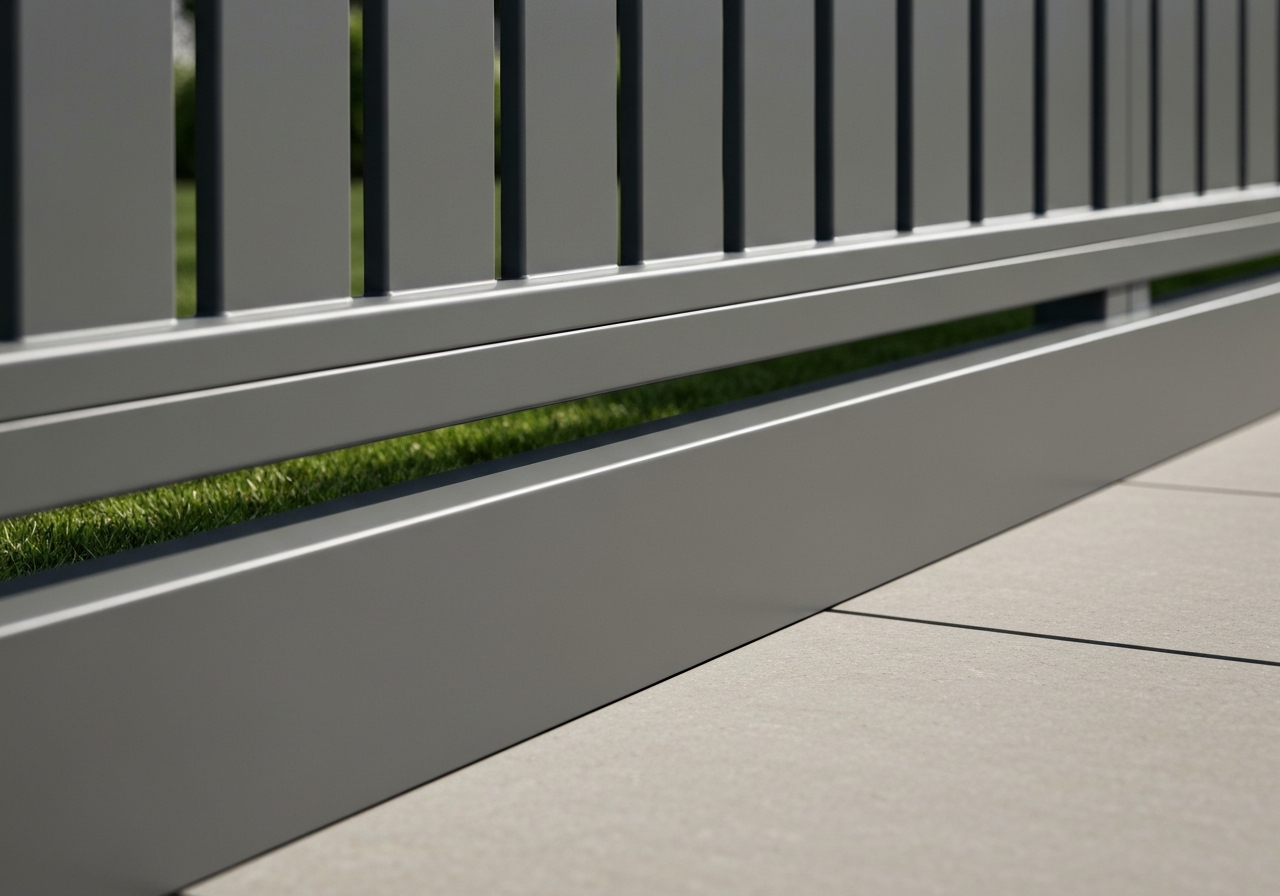
The biggest mistake I see, though, is underestimating how the site works. Slopes, low spots, and drainage patterns decide the fence line performance. If water pools at the base of posts, even the most attractive fence can deteriorate faster than it should. Best fencing installers account for water movement during planning and post setting, not after problems appear.
Another frequent issue is overlooking the layout around existing features. If you have a garden bed, a concrete patio edge, or a drainage line, the fence might look fine on paper but require adjustments in the field. A good contractor anticipates these changes and keeps them organized, rather than improvising in a way that affects alignment and appearance.
A note on repairs and future flexibility
Most fences outlast individual seasons, but not forever. Eventually you might need to replace a panel, a section around a damaged board, or a latch assembly on a gate.
When choosing your fence, consider how it will be repaired later. Wood often allows spot repairs, but only if the boards and framing are compatible with replacements. Vinyl can allow section replacement, but if the system uses proprietary parts or if measurements are inconsistent, repairs may be more involved. Aluminum and steel might require matching color-coated parts.
The best installers build fences with reasonable access for maintenance. They don’t hide everything so deeply that repairs become a full teardown. It’s also helpful to keep the materials list from your project, especially the part names and styles. You may not think you’ll need them, but it’s surprisingly useful when a stray vehicle damages a section or when a gate latch wears out.
Choosing the “right” fence is a matching process, not a single decision
There’s no universal best option. A fence is a set of trade-offs, and the right choice is the one that aligns with your site, your goals, and how you live day to day.
If you want maximum privacy and you don’t mind occasional maintenance, wood can be a great fit. If you want a clean, consistent appearance with minimal upkeep and you’re in a climate where vinyl performs well, vinyl can be a strong choice. If you want durability and a timeless look with open airflow, aluminum is hard to beat. If you need strength and you’re ready to plan for coating durability and repair, steel or iron styles can deliver impressive results.
Where people feel “stuck” is when they pick one criterion, like privacy, and everything else becomes secondary. The best fencing company approach is to treat the fence as a system: material, framing, post setting, layout, gate hardware, and maintenance plan.
If you’re talking with multiple contractors, listen for the way they think. The best installers ask questions about drainage, slopes, and how the fence will be used. They don’t just quote, they help you select a design that will still look right and work properly after the first winter storms and spring thaws.
That’s the real advantage. Not the brochure. Not the biggest discount. The fence that stays straight, holds up to wind, resists early rot or corrosion, and makes your yard feel finished without becoming a recurring project.
Practical next steps before you sign anything
Once you’ve narrowed down a few material options, you can move quickly while still being careful. The goal is not to slow down your project, it’s to prevent the kind of rework that costs time and creates stress.
Schedule an on-site evaluation. If the contractor does a real walkthrough, they should notice drainage patterns, how fences will cross slope changes, and how gates fit your daily routines. Ask for a written scope of work that clarifies the points that most often get missed: posts, reinforcement at corners and gates, fence height measurement method, and what’s included for cleanup.
Also, ask for a clear timeline. Weather matters, and crews need good conditions to set posts, align panels, and complete finishing work properly. A reasonable schedule helps everyone, and it prevents rushed installation that leads to alignment issues later.
Finally, if you have experienced fence company concerns, talk about them before the first hole gets dug. Installers deal with better solutions when the decision is still flexible.
Choosing a fence is a decision you’ll live with every day. With the right guidance from best fencing contractors and installers who understand both the materials and the terrain, you can get something that looks good, works well, and doesn’t demand your attention every season.